
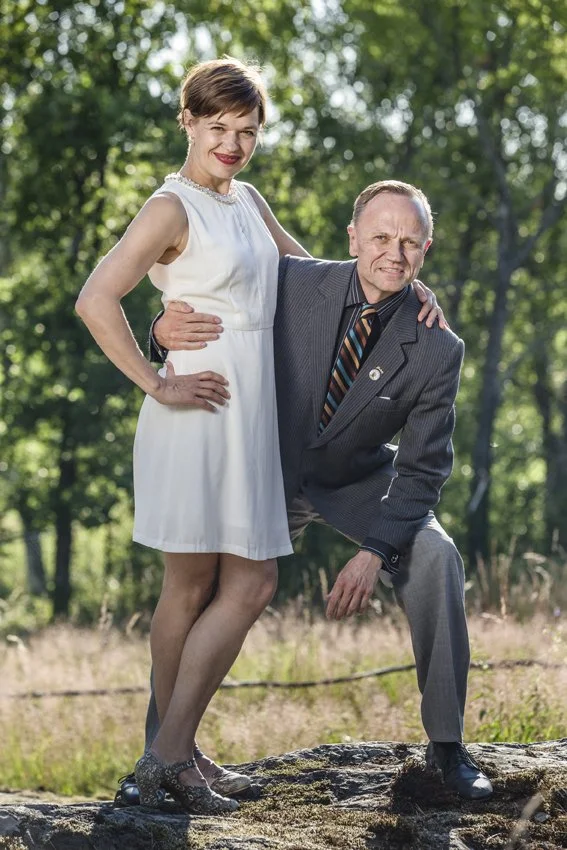
Lindy Hoppin' around the world
eWa Burak &
Lennart Westerlund
Hej and Hello,
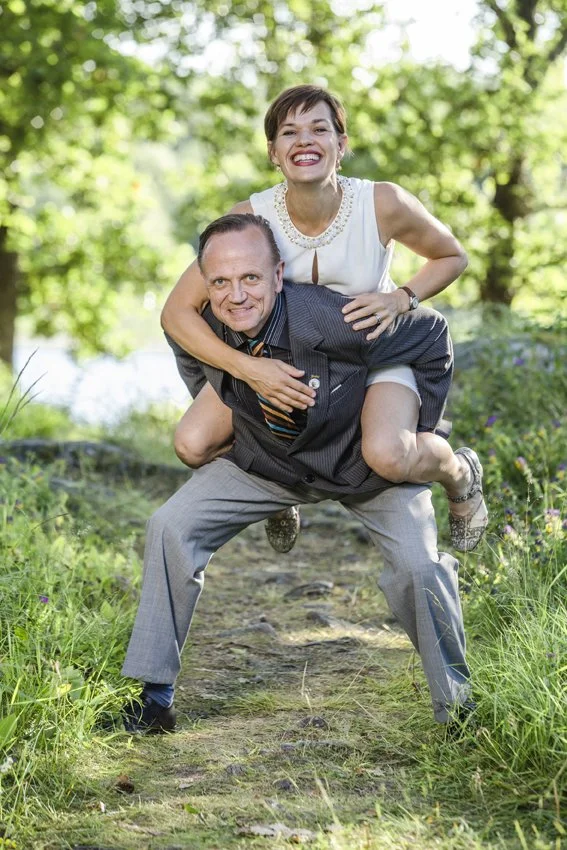
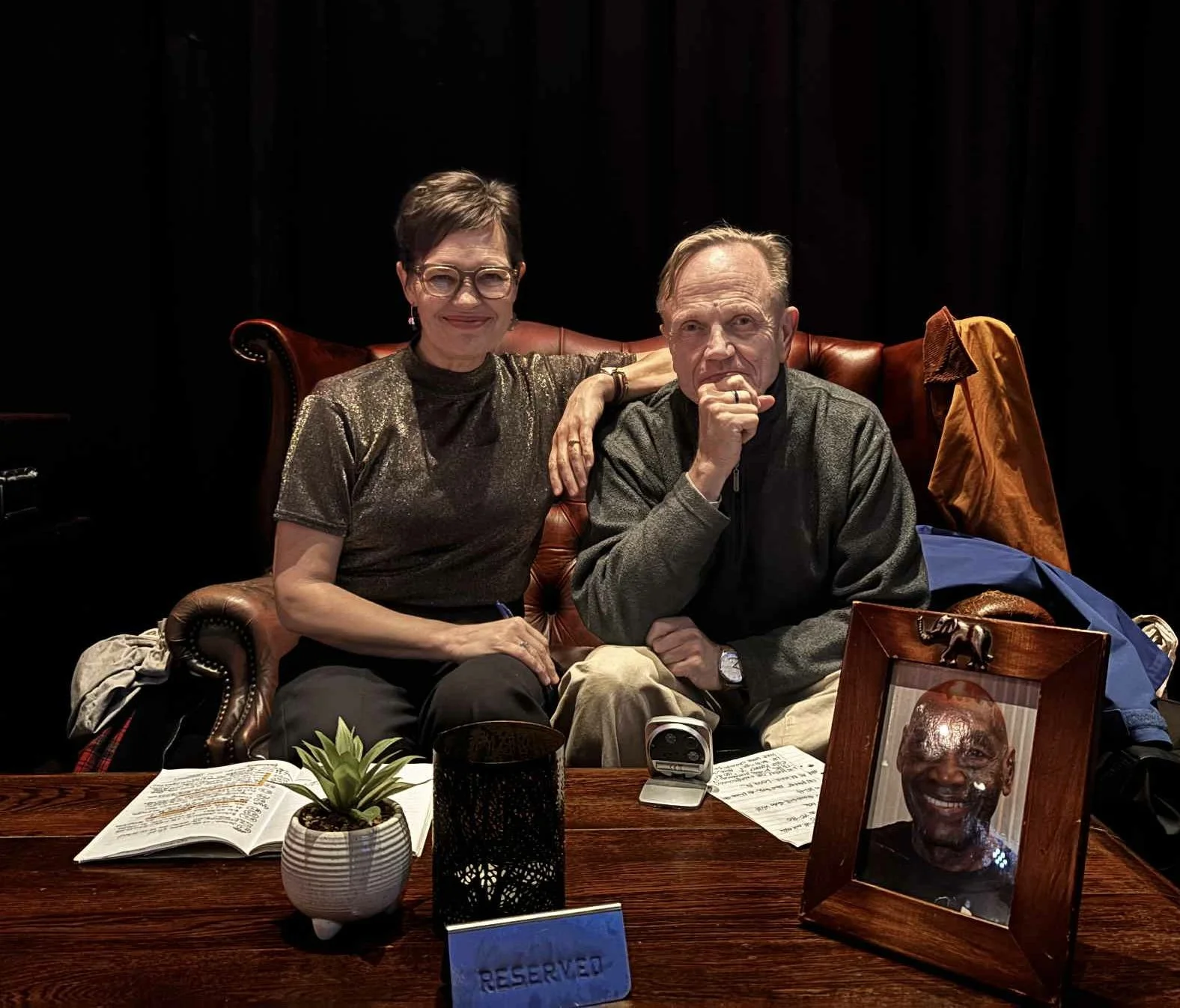
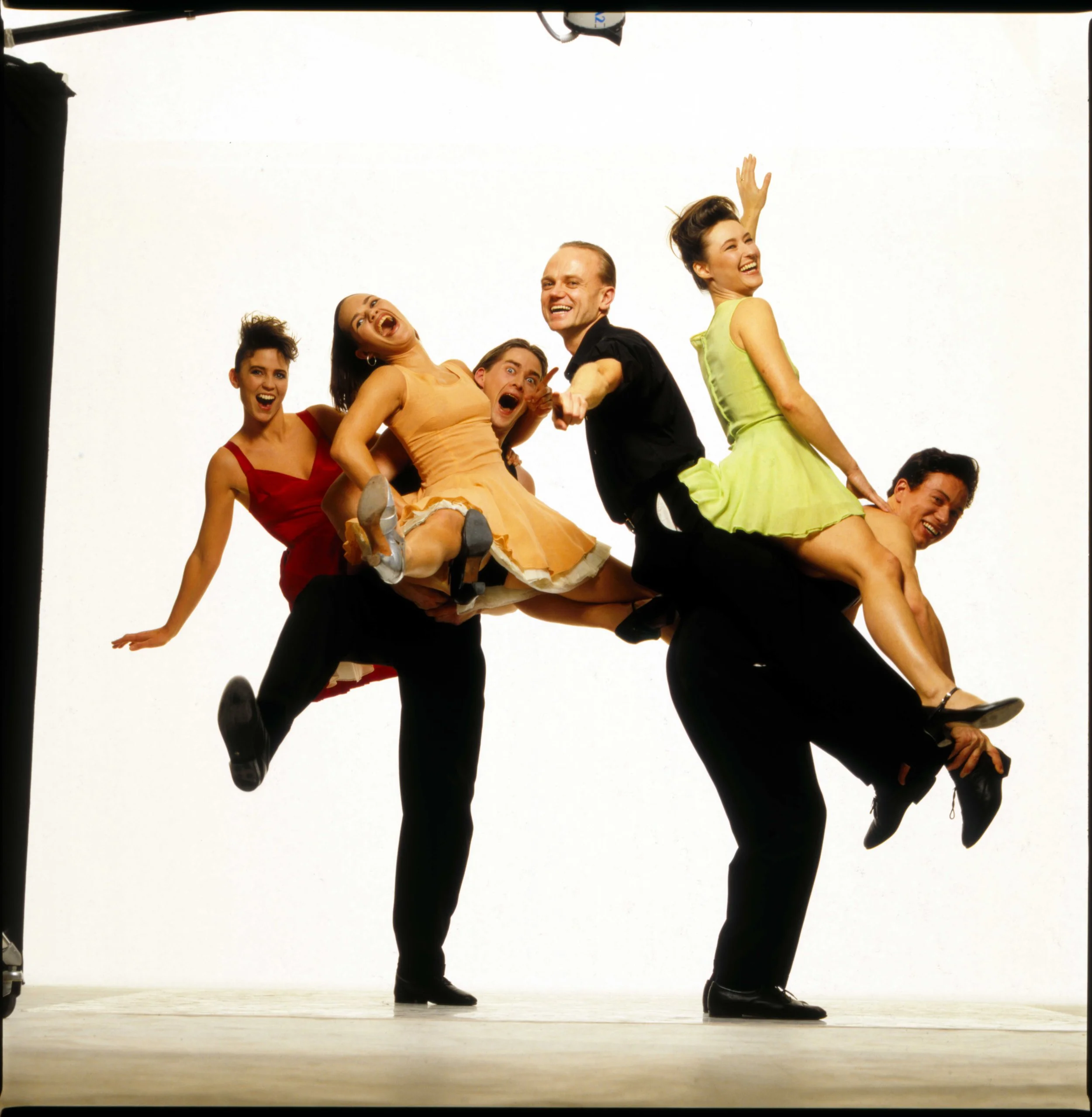
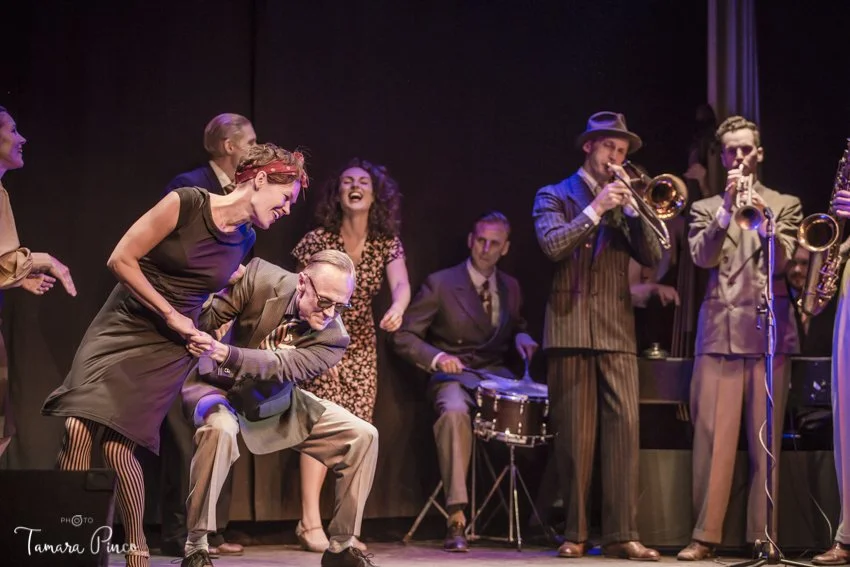
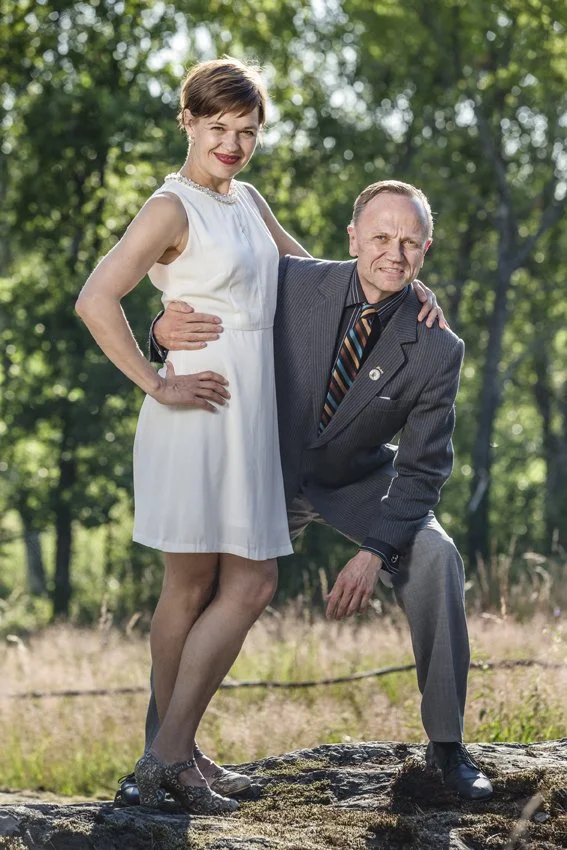
This is eWa “W” Burak and Lennart Westerlund, renowned swing dance instructors from Sweden, who focus on old-school American jazz dancing. Over the years, we have spent a lot of time as members of The Rhythm Hot Shots, both performing and teaching, as well as organising for Herräng Dance Camp since the 1980s.
Among other things, we are experienced with:
Regular classes
Weekend Workshops
Intensive Training Programs
Teacher training
Training techniques from vintage sources
Performance training
Private classes
Music and history lectures
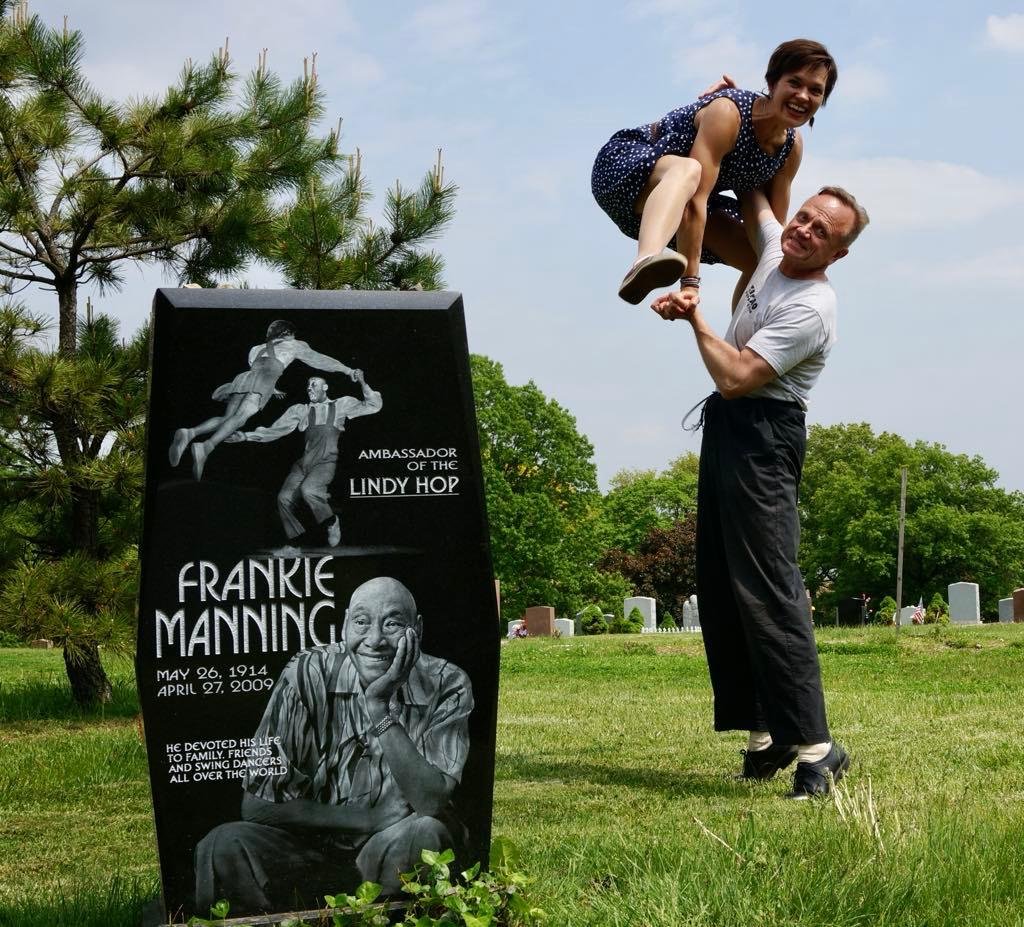
Our background in swing dancing is comprehensive and goes back to the early 1980s. Over the years, we have had the pleasure of working with many swing dance luminaries such as Frankie Manning, Norma Miller, Al Minns, Mabel Lee, Leonard Reed, and Nicholas Brothers, among many others. We have exclusively learned from the old-timers and vintage film clips, and have extensive experience in performing and teaching. Our non-contemporary approach is intentional as we are passionate about preserving the legacy and historical roots of old-school American jazz dancing.
Classes that we often teach include, but are not limited to:
Old-School Lindy Hop
Classic choreographies
Authentic Solo Jazz
Tap
Charleston (20s, 30s, solo, partnered)
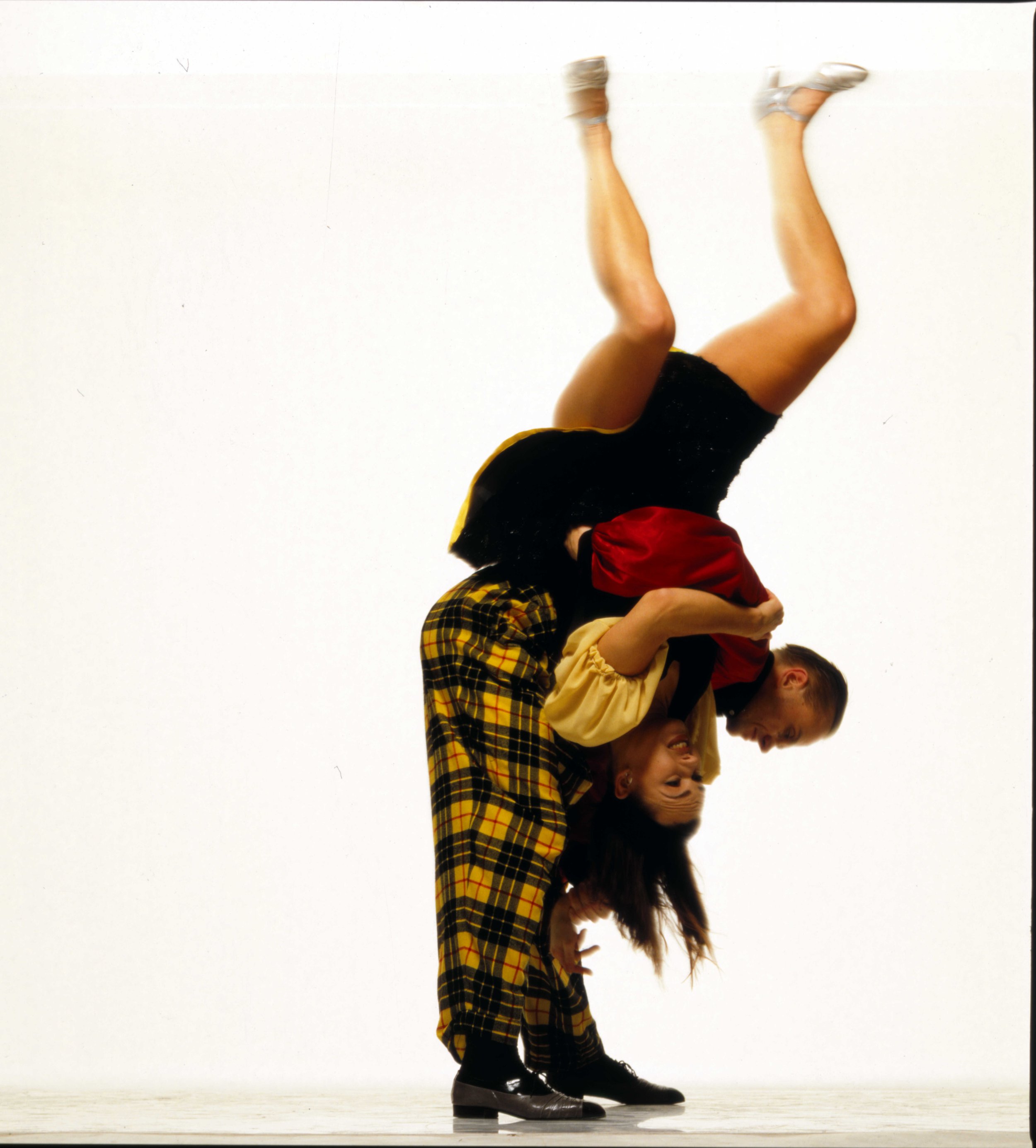
Acrobatics and Air Step preparation
Lectures on all aspects of music and swing dance history
Ragtime dances
Slow Drag, Black Bottom, Spirit Moves-inspired material
If you are interested in more information or any further discussions, please do not hesitate to get in touch with us.
About Us
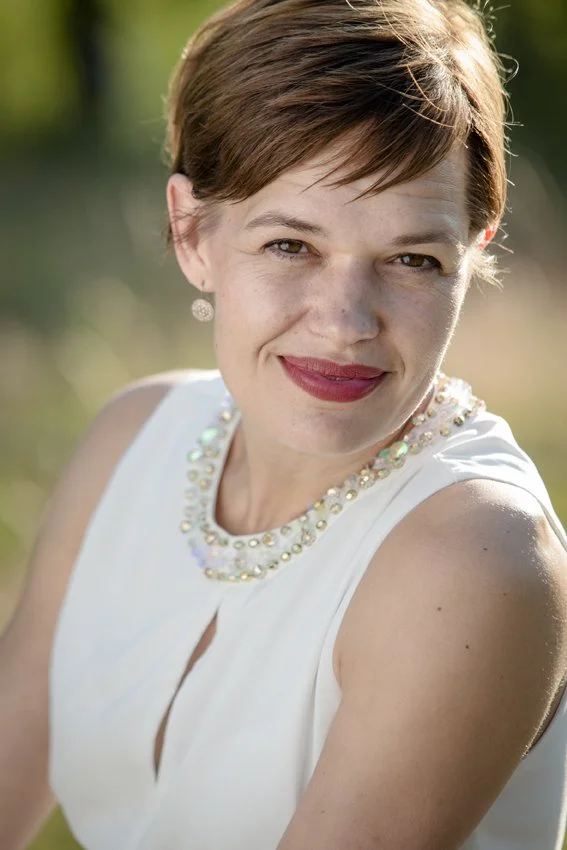
Ewa “W” Burak
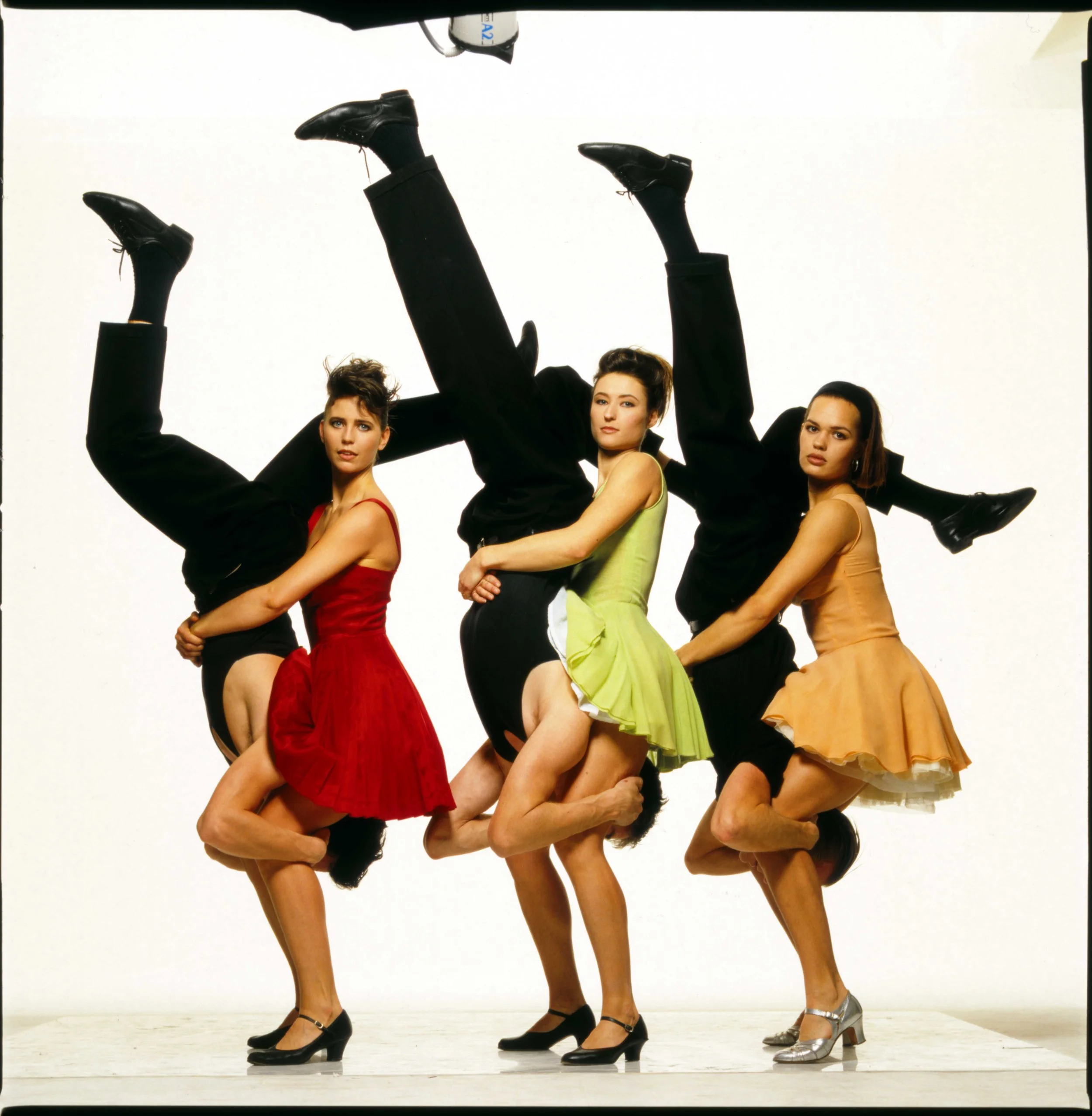
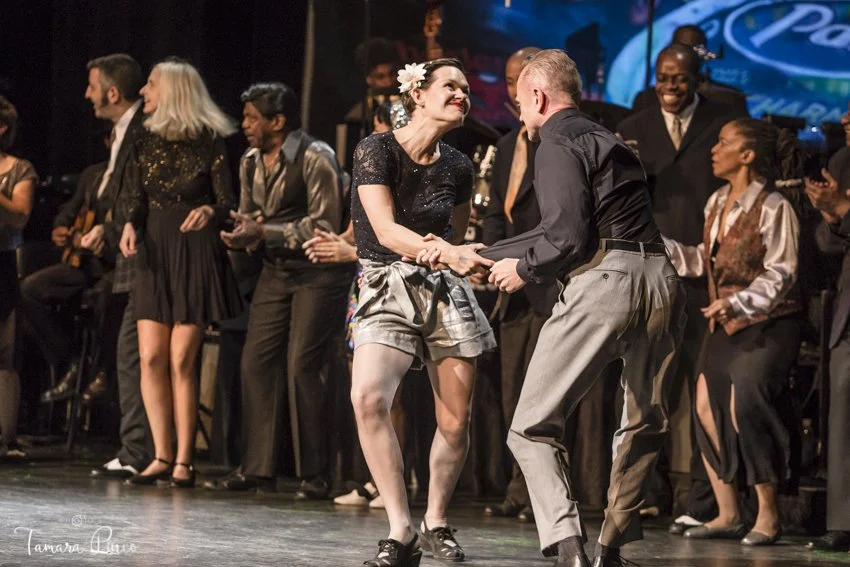
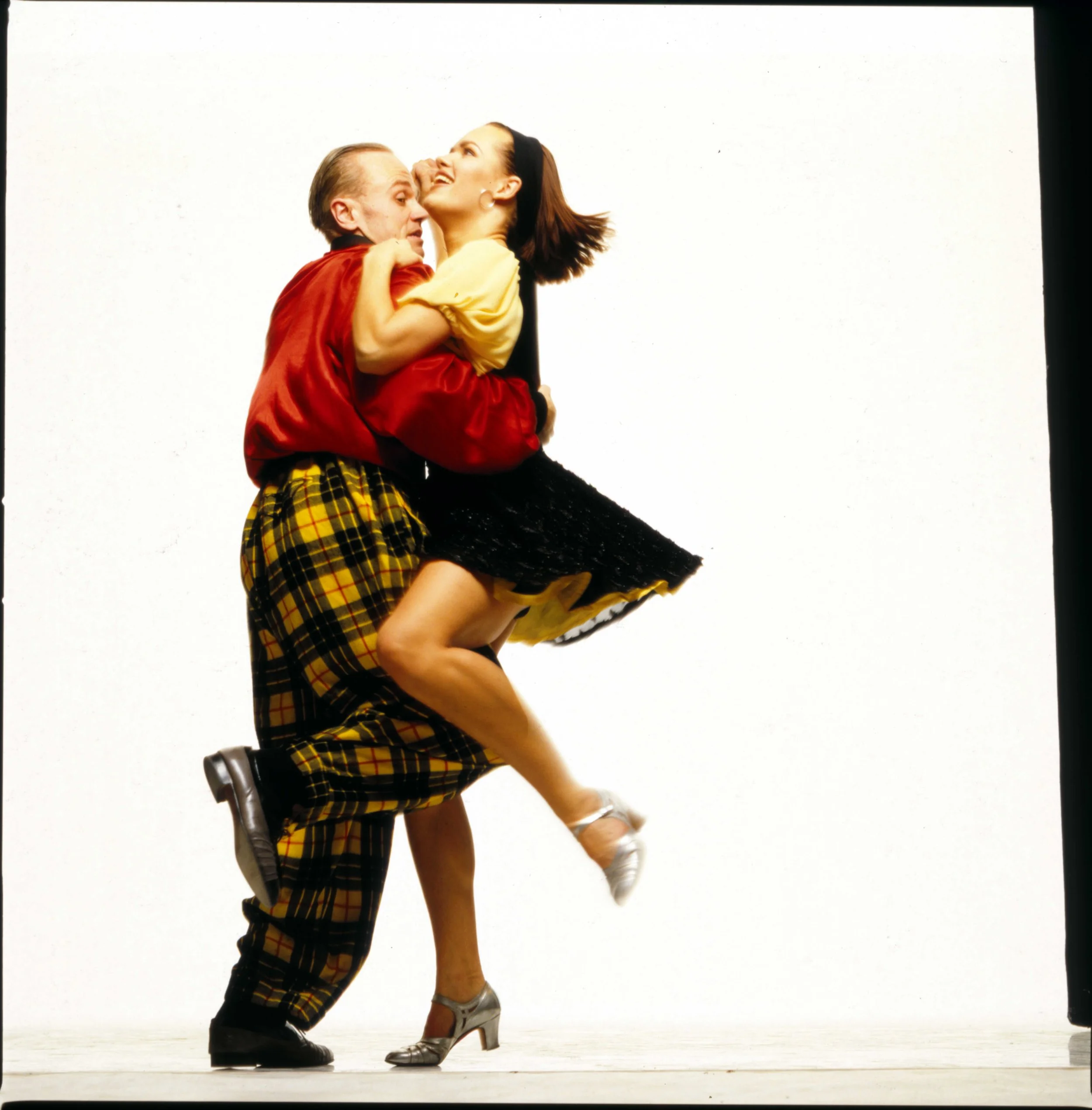
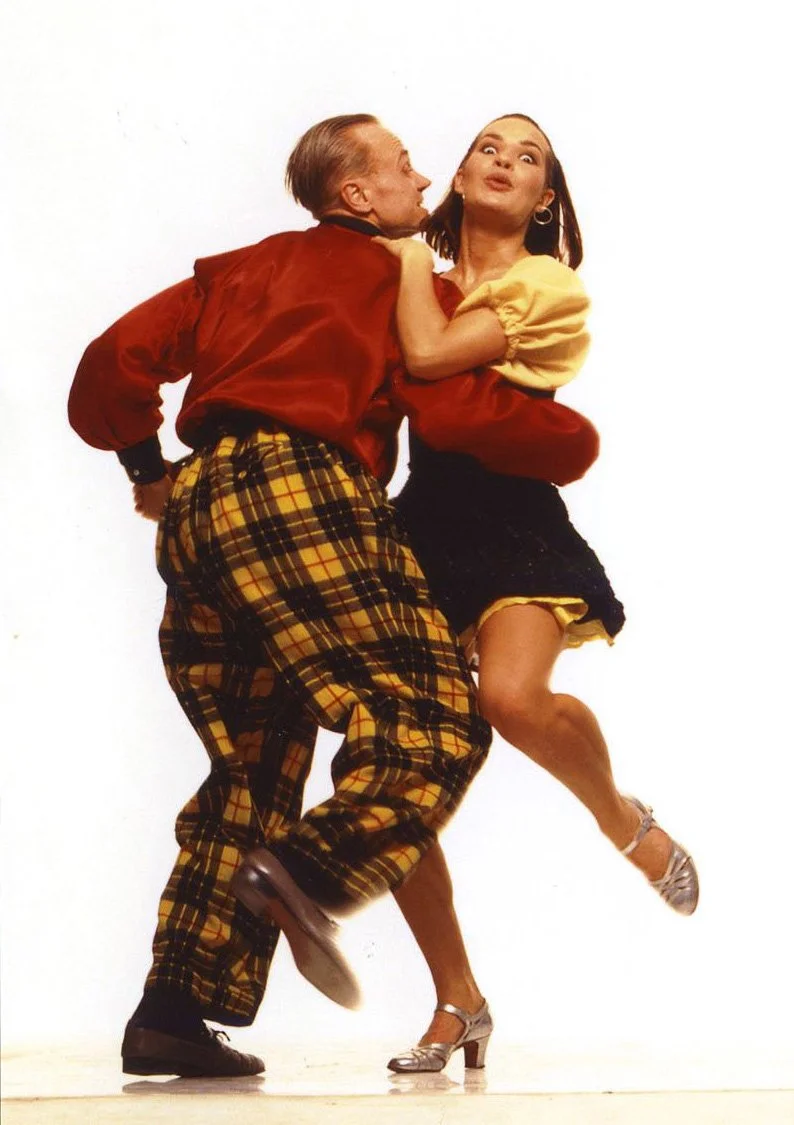
eWa came into lindy hoppin’ in the fall of 1986, after successfully auditioning for semi-professional Swedish dance company The Rhythm Hot Shots (now Hot Shots). At the time, she did not have any experience with African-American dancing, but her background as a gymnast helped her to very fast become a most skillful acrobatic lindy hop performer. Her repertoire gradually grew during the later part of the 80s and early 90s, also to include lots of vernacular jazz, charleston, tap and other elements of the Harlem jazz dance tradition. In 1989 she teamed up with Lennart Westerlund, and they soon positioned themselves as one of the top performance couples, specializing in fast acrobatic lindy hop. When eWa decided to step back from the professional performance aspect, she continued to teach on a semi-professional level passing on the lindy hop and other traditional jazz dances to a new generation.
eWa was during the 90s one of the most recognized and celebrated lindy hoppers out there. She was a key member of The Rhythm Hot Shots, she frequently partnered Frankie Manning, and she was often on the road teaching and performing in the constantly growing lindy community. Her style of lindy hoppin’ and vernacular jazz dancing was and is characterized by a pure and powerful quality based on Harlem traditions and long time experience. Modern influences have never been a part of her dancing, and today she belongs to an exclusive minority of lindy dancers that is clearly rooted in the history of the dance form.
Ewa is now based in Stockholm, Sweden, and remains engaged in both the local and international lindy hop community. For many years, she was part of the Herräng Dance Camp, contributing as a builder, organizer, and teacher. With her long experience and knowledge of the dance, Ewa is an important link between the traditions passed down by the old-timers and the contemporary lindy hoppers. At the heart of her approach is the joy of the dance: a strong connection to rhythm and a sense of effortless simplicity. She values musicality, playfulness, connection, and the freedom to move naturally with the music. Her teaching is deeply rooted in these traditions while remaining relevant to dancers today, helping to carry the spirit and essence of lindy hop forward.
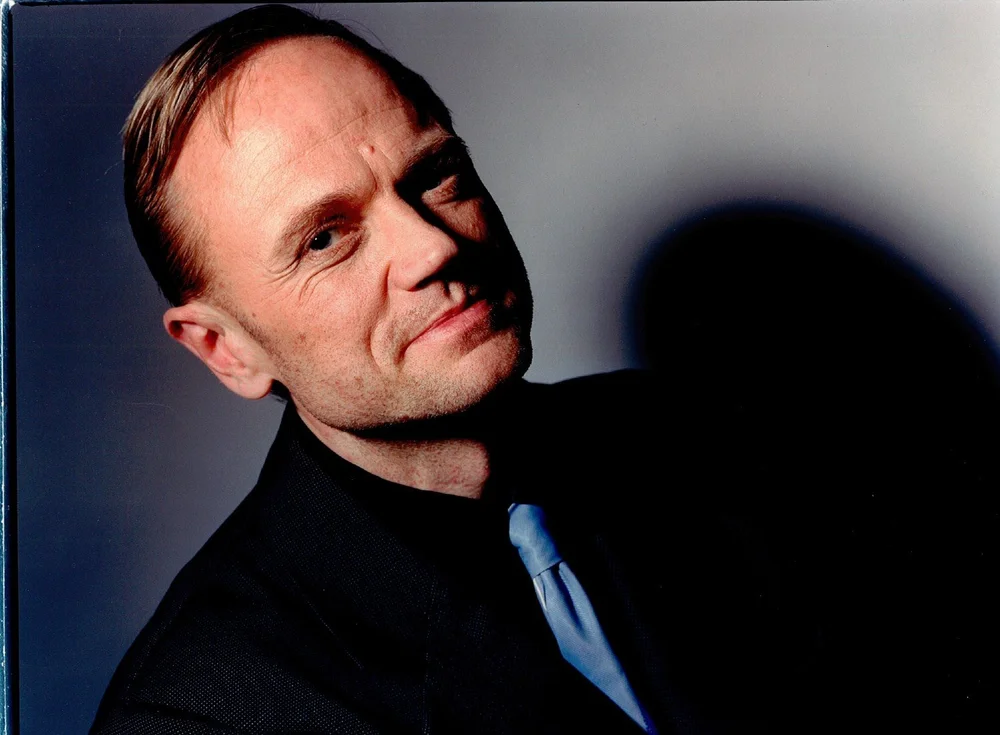
Lennart Westerlund
Lennart started out dancing a Swedish form of American Jitterbug in the very early 1980s. In 1983 he came across the Lindy Hop through books and old film clips, and in May the following year he travelled to New York on the look-out for the roots of the dance form. He soon met, studied and started to spend time with old-timers including Al Minns, Frankie Manning and Norma Miller. In 1985, he co-formed the semi-professional and later on highly recognized Swedish dance company The Rhythm Hot Shots (now Hot Shots), and started to seriously study also tap and vernacular jazz dancing in general. A few years later, the company was in the forefront of the first steps of the revival of the Lindy Hop, and in 1989 they took over the complete administration of the Herräng Dance Camp, and invited legendary swing dancer Frankie Manning to visit his first major international swing dance camp.
When The Rhythm Hot Shots started to receive some serious international recognition during the early 90s, Lennart was one of the key dancers. The company travelled extensively throughout the decade, and was among a handful of other dancers seriously leading the way to put the Lindy Hop back on the map again. At the time, Lennart also established himself as an international instructor, as well as an administrator and background worker, especially at Herräng Dance Camp. In 2004 he opened Chicago swing dance studio in Stockholm, and in 2010, after 25 years, he left the professional performance aspect of the dance, now focusing more on teaching, giving lectures and performing dance demonstrations.
Lennart is today still a most active dancer, instructor, lecturer, judge and administrator but his main focus is to travel around the world passing on a variety of old-school American swing dances such as Lindy Hop, solo jazz, tap et cetera to a younger generation. His repertoire also includes all sorts of lectures around dance history, jazz music and musicality for dancers. After some 40 revival and renaissance years of the Lindy Hop, Lennart is one of very few of the pioneers that are still active in the scene. His background and dedicated interest in the Harlem roots of vernacular jazz dancing has positioned him as an important link between the past and the present.